
 Tasha
Tasha The Benefits of Having House Plants
Bringing nature indoors has become more than just a design trend—it’s a lifestyle choice with proven benefits for health, productivity, and overall well-being. House plants are more than decorative accents; they are living companions that can transform a space into a healthier, more vibrant environment.
1. Improved Air Quality
Many house plants act as natural air purifiers. They absorb carbon dioxide and release oxygen, while some species can filter out toxins such as formaldehyde, benzene, and trichloroethylene commonly found in household products. Cleaner air indoors can reduce headaches, fatigue, and respiratory issues. And for those like me with horrible allergies, it can reduce symptoms.
2. Stress Reduction and Mental Health Benefits
Studies show that being around greenery can lower stress levels, reduce anxiety, and improve mood. Caring for plants provides a calming routine, while their presence creates a soothing atmosphere that promotes relaxation and mindfulness.
3. Boosted Productivity and Creativity
Workspaces with plants have been linked to higher productivity, better concentration, and increased creativity. The presence of greenery can reduce mental fatigue and help maintain focus, making house plants a valuable addition to home offices or study areas.
4. Natural Humidifiers
Plants release moisture into the air through a process called transpiration. This helps maintain indoor humidity levels, which can prevent dry skin, ease respiratory discomfort, and reduce the risk of colds and sore throats duringdry seasons.
5. Enhanced Interior Design
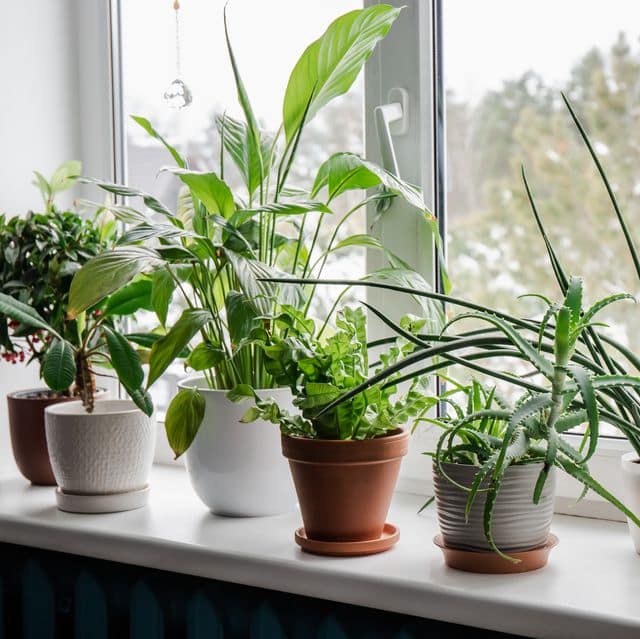
House plants add life, color, and texture to any room. From large statement plants like fiddle-leaf figs to small succulents on a windowsill, they complement different design styles and bring warmth to otherwise sterile spaces.
6. Connection to Nature
In urban environments where access to green spaces may be limited, house plants provide a daily connection to nature. This connection fosters a sense of grounding and balance, which is especially valuable in fast-paced lifestyles.
7. Educational and Therapeutic Value
Caring for plants teaches patience, responsibility, and attentiveness. For children, it can be an engaging way to learn about biology and ecosystems. For adults, tending to plants can serve as a therapeutic hobby that encourages mindfulness and self-care.
Conclusion
House plants are more than just decorative elements—they are natural allies that improve air quality, reduce stress, boost productivity, and enhance overall well-being. Whether it’s a single succulent or a lush indoor jungle, incorporating greenery into living spaces creates a healthier, more inviting home.




[…] things like good lighting, a fresh coat of paint, and even some indoor plants can transform the atmosphere. When your team feels good about their workplace, they are more likely […]