
 Tasha
Tasha Well, if you spend enough time watching house-flipping creators online, every rough-looking property starts to look a little too tempting. Someone buys a tired old house, rips out a few walls, finds hardwood floors under the carpet, adds some nice lighting, and then acts like profit just magically appeared between the demo day and the final reveal.
Well, it’s not just TikTokers and YouTubers here; you can also blame HGTV, considering the fact that it has definitely helped with that too. So, when you see this content, it honestly makes sense to think that you can pull it off too. Like, as long as you have some tools and a bit of money, you basically cracked the real estate code, like it’s a hack or something.
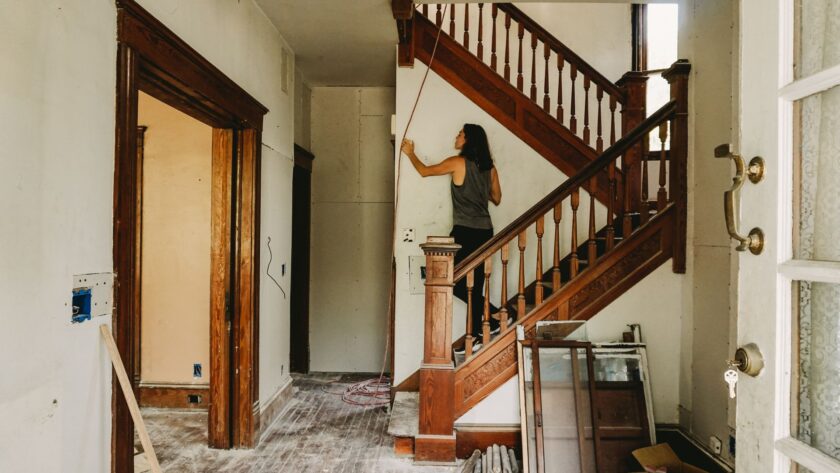
But buying a fixer-upper, either as somewhere to live or as a house to flip for profit, is a completely different thing when it’s not happening through a screen. There’s dust. There are delays. Well, that’s just two things, but the list can go on forever. Now, this isn’t deterring you from doing it, but before you fall in love with the idea- well, even falling in love with a house that needs some work- you might want to make some considerations first.
Don’t Instantly have High Hopes
Why? Well, a cheap fixer-upper can look like a bargain until the actual work starts introducing itself. If the asking price is low because the kitchen is dated and the garden looks rough, okay, that’s one thing. If it’s low because the roof looks like it might crash at any second, the wiring looks ancient (probably is), and the bathroom feels one bad shower away from giving up, that’s a very different situation. The price only means something when it’s sitting next to the repair costs.
Living Through the Work is its Own Little Test
Have you ever watched the movie The Money Pit? It’s an old movie from the 80s, and sure, there’s a lot of flanderizing there, but it does paint a picture of how a house can have one problem after another, and so a lot of time and money go into a house to the point where you’re basically just throwing away the money. Not ideal here, clearly. But that can happen, though.
The Holding Costs Can be Pretty Bad
For flips especially, time is money in the most literal, irritating way. Every extra week can mean another round of loan interest, insurance, utilities, council tax, storage costs, and other expenses that don’t care if the plumber had to reschedule or whatever else.
That’s why the numbers need to include more than the purchase and renovation budget. So, what you need to do here is look into using a bridging loan calculator, mainly because it can help give a rough idea of short-term borrowing costs while the property is being bought, held, or renovated.
What’s the Exit Plan?
If the goal is profit, the finished property needs to make sense for the area. Spending heavily on fancy finishes in a street where buyers won’t pay for them can eat into profit fast. Sure, content creators do that, but for them, everything is about content. You need an exit plan, well, at least a long-term plan. So, the project still needs to work financially, but it also needs to fit real life. Bedrooms, commute, layout, garden, parking, storage, all of it still counts once the renovation excitement wears off.