 Tasha
Tasha When you’re trying to set up your business and come up with a strong marketing plan, one of the most fundamental tools in your arsenal is going to be your brand. It’s one of the key identifying attributes that audiences are going to be able to connect with your business, and, as such, if it fades into the background too easily, you have a problem. Here, we’re going to look at some of the mistakes businesses can make that see them with a brand that isn’t going to help them stand out.
Discover Your Core Identity
A clear foundation, such as a sense of why you’re in business, can really help define the direction of the brand. Take the time to think of the values, mission, and vision that make your business unique. Knowing what you stand for, what you’re trying to promote (alongside your products and services), and what change you want ot make in the lives of your customers and clients can help you anchor your identity. From there, it’s a lot easier to lean on that identity when you’re writing content, designing visuals, or deciding on your messaging. Do not simply opt for mimicking the values that your competitors seem to espouse; you want to stand out from them.
Get To Know Your Audience
Knowing your audience and who you’re talking to can help you sharpen your brand messaging. However, knowing them isn’t all about the stats. If you’re relying too heavily on demographics such as age, gender, occupation, or location, then you can end up with pretty broad marketing content. When creating an ideal customer profile, you should try to think about their pain points and their aspirations, as well, especially those that your products and services can help with. If your customers are looking for convenience and reliability, then the way that you talk to them and the focus of your content is going to be different from if they’re looking for top-of-the-market quality or luxury, for instance.
Weave It Into A Story
Humans are inclined to see narrative in everything and, where it’s presented, we’re more likely to pay attention. Rather than just describing your products and services, you should think about what kind of brand story you can tell. A brand story often begins with why your business begins, and ends with the impact that your business wants to make. Base it on your values, the relationship you want to have with your customers, and integrate real details (such as client successes and behind-the-scenes challenges) to make it truly unique to your business. Authentic storytelling is something that can’t easily be copied, and it necessitates adding a bit of your true passion and heart into your business’s brand, which can help forge that emotional connection that leads to brand loyalty.
Ensure Your Content Stays Unique
The online world of branding is being increasingly driven by content marketing, as businesses put out blog posts and web pages to better connect through SEO and social media, introducing themselves, their products, and getting the attention their brands need. A lot of businesses look to what others in their market are doing with their content, and some inspiration is only natural. However, you should make sure that you avoid sticking too close to other companies’ content, as well as being overreliant on AI, which can turn out content that’s very likely to be similar to content your audience will read elsewhere. There are tools to help you avoid having copy that reads too similarly to others, so check out the best plagiarism checkers compared. There’s nothing wrong with covering the same ground as your competitors; you just need to make sure that it’s informed by your own voice and insights.
Find Your Signature Visual Identity
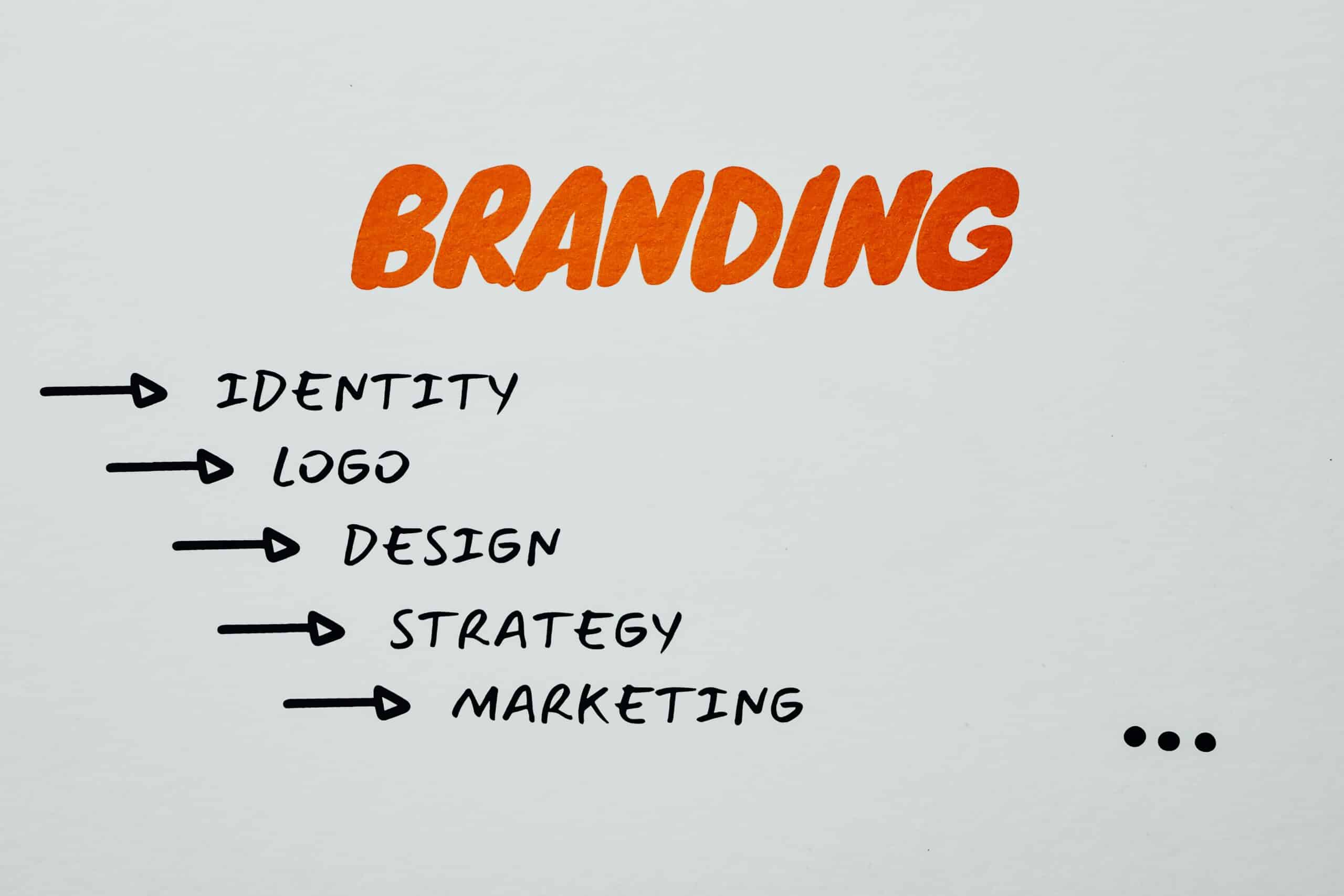
Just like your content can read too closely to your competitors’, the same can be said of your visual identity, as well. While you should study your competitors, the aim should be to stand out from them, not to blend in. As such, take the time to make sure that your imagery, website layouts, typography, and any stock images you use are distinct and different from those businesses that are your closest competitors. Taking the time to find a really good, unique logo can be a huge benefit to your business’s recognizability. Take that same approach to your whole visual identity.
Consider Working With A Marketing Agency
Although you may have plenty of original and truly personal ideas, if you’re not someone who has been in the marketing space, you might find yourself accidentally landing on a brand that feels very similar to the brand of a competitor. With the help of outside experts, such as a marketing or creative agency, you can make sure that you have not just a practised creative direction behind your business, but likely more awareness of the marketing in your industry space, in general. What’s more, they’re more likely to work with the raw passion, values, and insight you bring and refine them into a truly strong brand that speaks effectively to your audience.
Add A Touch Of Real-World Experience
Brands that are built to resemble others (and are based solely on theory) tend to feel incredibly generic. If you want a memorable brand, you’ve got to understand the industry you’re serving truly. By drawing from actual experience, you will add more credibility and texture to your messaging. Even learning from niche professionals, like vended laundry expert David Shulick, will help you to understand how deep industry knowledge can shape a brand that feels genuinely authentic.
Evolve With Care
All businesses are going to change and evolve over time, and your brand might move with you. Markets can shift, your business can lean further into one side of its offerings than the other, and customer expectations can change. Your business may have to adapt to seem relevant, but while you want to make sure that your brand reflects these changes, you should make sure that you don’t lose sight of your core identity. Completely changing your color scheme, logo, and brand voice because you’re pivoting towards a focus on one of your products is just most likely to alienate your existing customer base, which is very rarely worth it.
Your brand does not have to make your business look and feel like it’s inventing the wheel. It just needs an approach that’s different enough from the others in the market so that your message can cut through to your target market.