
 Tasha
Tasha Agriculture is changing, and entrepreneurs are turning to innovative methods like growing houses as a strategy to achieve success in agriculture. With rising demands for fresh organic produce and specialty crops, controlled environment agriculture offers people a promising pathway for creating a scalable and profitable business venture. Grow houses or greenhouses can offer the solution. In this blog, we will look at some of these possible applications as a source of increased income while discussing steps needed to start your own grow house business.
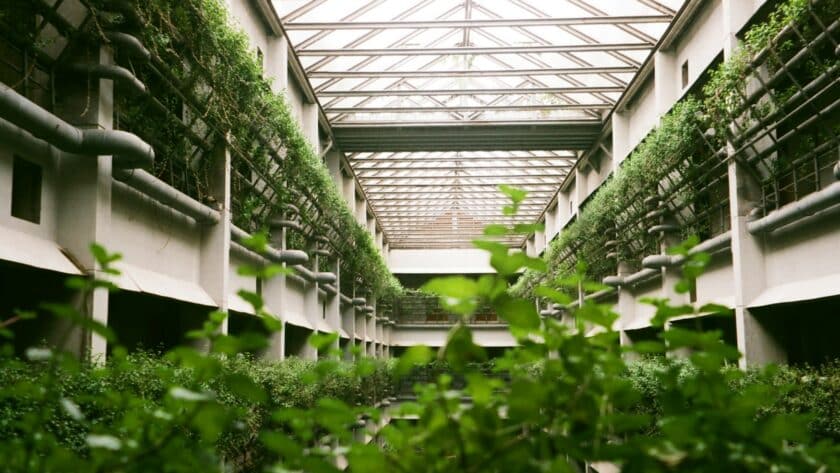
Photo by Ahya Agawis on Unsplash
What Are Grow Houses and Why Are They Profitable?
Grow houses are indoor or semi-enclosed structures designed for cultivating plants in a controlled environment. Grow houses ensure the best possible growing conditions year-round by controlling factors like light, temperature, humidity, and soil quality. Eliminating external weather patterns (which are a constant source of uncertainty) can help to increase crop yields and higher-quality produce. Carefully controlling factors like light exposure, temperature regulation, humidity levels, and soil quality, your grow houses create the ideal growing environments irrespective of the external weather patterns. This precision allows year-round farming with enhanced crop yields and quality produce produced year after year. Grow houses are profitable due to their versatility and efficiency. No matter if it’s growing fruits, vegetables, herbs, or even exotic plants, demand for high-quality produce that’s pesticide-free has never been greater. Niche markets like medicinal and edible flowers create opportunities to sell premium crops at higher prices.
Partner with A Reputable Steel Building Company
Forming a relationship with a reliable steel building company is important to the success of any grow house business. Trustworthy firms offer customized steel building design solutions tailored to specific requirements, helping the operational efficiency to be better and increasing profitability. Steel buildings are widely known for their durability, cost-efficiency, and the ability to accommodate various customized features that make them suitable for agricultural operations. From ventilation systems and climate control systems to customized facilities designed specifically to accommodate indoor farming operations, a reliable partner can design an indoor farming facility to meet its own specific requirements. Steel structures offer flexibility in the layout, making them easily adaptable to future expansion or modifications for whatever the market demands changes may be. Professional design services ensure compliance with local regulations while offering designs optimized for energy efficiency and sustainability. Working with an experienced steel building company will give you peace of mind in regard to its structural performance, leading to a safe and successful business venture. Partnering with them ensures your grow house will be set up for long-term success.
Choosing the Right Crops for Your Grow House
Choosing the crops that best suit your business can make or break its profitability.
Popular and Fast-Growing Options
Leafy greens like lettuce, spinach, and kale make excellent starter crops due to their fast growth rates and constant market demand. Basil, mint, and cilantro are also highly sought-after by restaurants as well as health-minded consumers.
Specialty Crops for Niche Markets
Grow high-margin crops such as microgreens, saffron, or medicinal marijuana where legal. Their rising popularity among wellness enthusiasts makes these crops extremely lucrative. However, these may require specific growing conditions and specific equipment investments. Proper research must also be completed before beginning this endeavor.
Steps to Start Your Grow House Business
Research and Planning
To start off, conduct extensive market research, identify your target markets, and establish whether they include retail consumers, wholesalers, or specialized industries like health and wellness. Once this information has been gathered, create a detailed business plan outlining your goals, costs, and revenue streams.
Choosing the Best Location
While growing indoors is possible with grow houses, choosing a site with access to utilities and infrastructure remains important. Prioritize affordability over accessibility when making this selection.
Investing in High-Quality Equipment
Your grow house business’s success hinges heavily on its equipment. For better results, opt for state-of-the-art solutions such as energy-efficient LED grow lights, nutrient reservoirs, and climate control systems with automated monitoring capabilities for remote management and precise adjustments.
Plant Care
Even with advanced technology, understanding plant health and growth cycles is extremely important. Learn the fundamentals of irrigation, pest control, and proper nutrient supplementation. There are plenty of resources and courses online available that will teach these skills for indoor farming techniques.
Scaling Your Operations
Start small before expanding operations. Understanding the operational costs and mastering small-scale production, you can gradually grow into larger markets by expanding. Vertical farming is a great strategy for increasing output without taking up more physical space.
Marketing Your Produce for Better Profit
Once your grow house is up and running, marketing will ensure your products reach their intended customers.
Sell Directly to Local Consumers
Farmer’s markets, community-supported agriculture (CSA) programs, and joint efforts with grocery stores all offer great opportunities for creating reliable customer bases in local communities. Farmer’s markets enable producers to connect directly with consumers, building trust and loyalty through personal interactions. Community supported agriculture (CSA) programs promote involvement by offering subscription services for fresh seasonal produce, providing regular income while keeping customer retention high. Partnering with grocery stores helps expand your reach by making your products easily accessible to nearby shoppers, increasing sales while strengthening relationships within your community and creating a mutually beneficial network for your grow house operations.
Use Social Media and Online Platforms
Build an online presence to highlight your fresh produce, share growing tips, and build brand recognition. Use photos and engaging posts to appeal to health-focused buyers.
Collaborate with Restaurants and Cafes
Food service businesses are keen to find fresh, local ingredients to improve the quality of their menus, so take this opportunity to promote the benefits of your high-quality, locally produced produce and form partnerships.
Financial Considerations and Profitability
Like any business venture, starting and operating a grow house does incur costs yet offers great potential for profit.
Initial Costs
Initial expenses should include building or leasing the grow house, equipment, seeds or starter plants, and utilities costs, along with initial training to gain relevant knowledge and hone your craft. Budgeting accordingly for the initial training and knowledge gain is also important.
Ongoing Costs and Revenue
Utilities such as water and electricity, fertilizers, and labor are ongoing expenses. However, due to controlled environments’ increased crop yields, they also allow businesses to generate consistent revenue throughout the year. Specialty crops or organic certification can further increase profit margins.
Photo by Jakub Żerdzicki on Unsplash
Conclusion
Grow houses offer one of the most promising and profitable business opportunities available in agriculture. From providing fresh produce for your local community to serving larger markets, investing in a grow house business is financially lucrative and environmentally conscious.