
 Tasha
Tasha Image Credit: Unsplash
Your home should be your sanctuary, a place where you can unwind and recharge away from the pressures of the outside world. But often, our living spaces can unintentionally add to our stress. The good news is that you don’t need a massive budget or a complete renovation to transform your house into a haven of tranquility. Making a few intentional design choices helps you cultivate an atmosphere that genuinely supports your well-being.
Decluttering for Mental Peace
It’s hard to feel calm when you’re surrounded by chaos. Clutter can be a constant visual reminder of unfinished tasks, leading to feelings of stress and being overwhelmed. Taking control of your stuff is the first step toward a more serene home. Start small to avoid feeling discouraged. You could tackle one drawer, one shelf, or one corner of a room for just 15 minutes a day. A great rule to maintain order is the “one in, one out” policy: for every new item you bring into your home, one must go. Organizing your belongings into designated zones also helps you find what you need and put things away easily. A tidy space gives your mind room to breathe and is a foundational step to create a peaceful environment at home.
Ensuring a Secure Environment
Feeling safe and secure in your own home is fundamental to relaxation. This sense of security goes beyond just locking the doors at night. It’s about creating a space that feels like a solid, protective shell. This can involve practical upgrades like reinforcing entry points or installing better outdoor lighting. It also includes choosing materials that provide strength without making your home feel like a fortress. For example, incorporating large windows or glass partitions can open up a space and let in more natural light, but you want to ensure they are strong. Using high-quality toughened glass for features like patio doors or large picture windows offers durability and security while still flooding your rooms with calming, natural sunlight. When your environment feels protected, your nervous system can finally relax.
Bringing Nature Inside
Humans have an innate connection to nature, and bringing elements of the outdoors inside can have a profoundly calming effect. This concept, known as biophilic design, is easy to incorporate into any home. The simplest way is by adding houseplants. You don’t need a green thumb; varieties like snake plants, ZZ plants, and pothos are famously low-maintenance and help purify the air. You can also introduce natural materials through your decor. Think about wooden furniture, wool or cotton textiles, stone coasters, or jute rugs. These textures add warmth and a connection to the natural world. If you have a view of a garden or trees, make it a focal point of the room rather than blocking it with heavy curtains.
Colors That Soothe
Color has a powerful impact on our mood and emotions. While bright, bold colors can be energizing, they can also be overstimulating when you’re trying to relax. For a calmer atmosphere, lean into a palette of soft, muted hues inspired by nature. Think about the colors of a misty morning or a quiet beach at dusk.
- Soft Blues: Reminiscent of the sky and sea, light blues are known to have a calming, serene effect.
- Gentle Greens: Sage, mint, and mossy greens connect us to nature and promote feelings of balance and harmony.
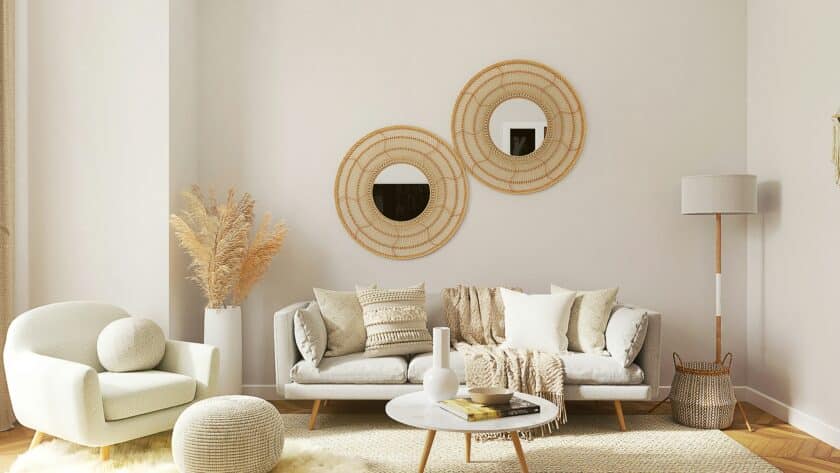
- Warm Neutrals: Colors like beige, taupe, and warm gray create a cozy and inviting backdrop that feels comforting and stable.
These colors can serve as the foundation for your walls and large furniture pieces. If you’re interested in learning more about the psychology behind these choices, there are great resources for designing a positive and calming home that explore color theory in more detail.
Creating Personal Retreats
Even in the busiest of households, it’s vital to have a small corner that is just for you. This doesn’t have to be an entire room; it can be a simple, designated spot for quiet reflection or relaxation. Find an underused corner and transform it into your personal retreat. It could be a comfortable armchair with a soft blanket and a reading lamp, a spot by a window with a few floor cushions for meditation, or a small desk where you can journal without interruption. The key is to signal that this space is different. Use a small rug to define the area, add a favorite piece of art, or make sure it has its own dedicated light source. This little sanctuary gives you a place to escape to, even for just a few minutes, to reconnect with yourself.
Creating a calmer home is a process of making small, mindful changes that add up. Clearing out what you don’t need and thoughtfully bringing in elements that soothe your senses helps you craft a space that truly feels like a restorative escape.